
Mary Poppins Pops into 21st Century Classrooms
Using Readily Available
Digital Content Items to Enable, Enrich, and Extend Contemporary Study of
Classic Young Peoples’ Books
By
Dr. Rose Reissman
Reading
and studying books is a perennial classroom activity; one that may be
experienced by students as sheer drudgery or one that can be engaging.
exhilarating, and satisfying. Which variety of experience teachers offer depends
on which book is selected and how it is taught.
Over the years I’ve cracked the code for implementing book units that have my young
students enthralled, with imaginations fired up, and looking forward to future
book studies when the unit is over,
One
part of my approach is to select a book that is associated with current pop
culture phenomena, hit movies filling the bill perfectly; movies like the
recently hyper-popular Mary Poppins Returns.
Most young people love magical characters who can fix the negative realities
described in the book. This is a classic
theme across literature, including adult books, but an especially strong and
beloved one in books written for youngsters.
Magical characters like Peter Pan who fled a negative world to a never never
land of childhood win devoted audiences for their authors. Mary Poppins is a
defiant “life fixer” who swoops in with empathy and wise guidance and precipitates
magic and joy. She is softer and less violent than the other
popular characters like Marvel superheroes. She offers tenderness and hope for students.
And there’s a bonus to be had; Mary Poppins has a long history of being a loved
character. She was introduced back in 1934, and therefore, many adults in
today’s students lives know and are nostalgic for her,making inter-generational
sharing of Mary Poppins books and movies an especially rich experience.
The 2018 film, Mary Poppins Returns, with musical and visual references mirroring the original and internationally
known 1964 version, traces a complex lineage all the way back to 1934 when the
first in a series of 8 Mary Poppins books was published and became a perennially
favorite piece of young person’s literature.. Australian-British writer, P. L.
Travers kept the series going the through 1988. Teachers have long recognized the book as one
students enjoy reading that features the classic elements of the novel (plot,
character, place, etc.) and thus, is very worthwhile
content.
When the Mary Poppins Returns movie
was released I immediately sensed that there was a potentially rich teachable
moment unfolding. As a child I had read the print book and liked the
independent nature of Mary Poppins who did not take orders from her employer. Coincidentally,
my teaching partner, Ms. Xavier, was
also a fan of the print character. And we both loved the 1964 movie as
did many of our colleagues who grew up in the late 80's and 90's.
The fact that there is an extensive
body of works on this appealing character and her ever unfolding story, and also
that so much of this is in digital format, online, and free and easily
accessible for teachers everywhere makes The Mary Poppins theme all the more
significant. Consequently, I sat down with Ms. Xavier and we planned and
implemented the following activities with her classes of 6th graders
at Ditmas Middle School in Brooklyn (Community School District #20). The result
was so successful, the students so fired up and engaged, that we want to share
this with colleagues who may wish to implement some or all of it as we did, or perhaps,
distill some important approaches from this and apply the to other themes.
One of the important leaps that Literacy
educators are currently making is transforming their practice to embrace the
concept that “book” means more than simply many pages of text bearing paper that’s
bound between two covers; even more than expanding the meaning to include a downloadable
e-book version of that, as well. The 21st
century book rather, embraces a synergy of numerous contemporary content formats-
web published text, online video and audio, and more, all working with one
another to produce a single, engaging, media rich experience.
Further, in 21st century
classrooms, as is laid out perfectly in the UDL (Universal Design for Learning)
body of theory, teachers should engage readers by addressing their wide variety
of needs and styles through flexible and varied content formats. These may
include moving and still visual elements, dramatic film sequences, the music
and lyrics of songs, as well as with print text.
In view of this new understanding of
books and much taken with the popularity of the movie and the strength of the
original book as a focus for book study we planned a unit
on Mary Poppins even though we did not have access to copies of any of the Mary
Poppins books. We decided to present our students with a rich Mary Poppins
experience anyway, using some of the free and easy to access digital resources
available.
In this case, introducing the Mary
Poppins theme was accomplished by having the students view a few of the very
accessible and short movie trailers found on Youtube. These are perfect for
short, 50 minute classes and importantly, these are so skillfully produced that
only 4 to 7 minutes of viewing these motivated the students to move on to
content provided in other more
challenging formats.
There
are abundant, free, multimedia resources available on the web that teachers can
use for dynamic literacy learning experiences around this book and countless
others. And, for teachers willing to put technology at the service of text
learning, too, there are unique and compelling text resources to be found on
the web, as well. Many examples of both varieties of resource and their
classroom applications are detailed below.
1.
Prior Knowledge Pre-assessment:
The night before the
lesson have students ask their parents and family/friends what they know about
Mary Poppins and their experiences with her. Have them write and date their
pre-assessment. Allow them to discuss
their responses and their parents’ connections to Mary without commenting
yourself.
Challenge them to reflect on what a nanny does and if there
are jobs like this around today. You may
want to use the https://www.gonannies.com/Jobs/Nanny.aspx site to share after the activities to
solidify and extend the conversation.
Tell the students that a British author
wrote this story and a series of other Mary Poppins books back in 1934. Given that there are many successful American
authors writing today, should they be studying this work or would a work published currently be a
better focus? Explain that there is not
a single right or wrong answer.
Ask those who enjoy art
to draw Mary Poppins character which they may have seen in film trailers. Help them to define her in art as a character
by asking what dress and accessories she always has. These include: umbrella, hat, kite, carpet
handbag etc.
Post the drawings.
Return to this prior
assessment at the end of these activities and have the students share what they
have learned from this start.
2.
Reading across various formats:
A great activity to get students to
think about plot, plot sequels, and the flow from one to the other is to have
them read the beginning and end of a book and predict a sequel or prequel.
While a class set of the book on which the 1964 movie is based may not be
available, the movie itself can be found on DVD or streamed.
Since the Mary Poppins Returns movie (2018)
is a sequel to the first film done in 1964 and Mary Poppins Comes Back (1935)
was the actual print sequel written by Travers, have the student’s review the
last page of the first Mary Poppins book (1934) – (You may simply wish to make
a class set of copies of this page from a copy of the book taken from the
library if the school does not have copies. )
The students write the
beginning of the print sequel, as suggested or might be imagined by the last page
of the print first book. Our students storyboarded their ideas of how to create
a sequel from the known ending given in the original book (a purely text
outline would suffice, though.) Of course the 2018 film’s writers made their
own sequel but this activity pushes kids, as engaged readers and writers.
Explain to the students that working from the original’s last page, multiple
endings ae possible and it is very likely that the writers of the new movie
created and debated many possibilities before selecting the one that made it
into the movie.
2A) Variation on the Above - Text
Engagement:
Challenge students, depending on grade level, to, individually or in teams
anticipate the start of the actual Travers authored print sequel. They can do
this in writing or through illustration and for younger students /ESL learners,
allow them to tell/record their
predictions.
Allow the students to compare and contrast it with what they anticipated. Emphasize that while PL Travers had a
specific plotline , obviously since she died in 2006, the current 2018 Mary
Poppins had to be written by current
Disney writers.
Then share with the students the
actual print text beginning of the Mary Poppins Comes Back
3.
Digital Reading for Craft:
Show the students the 3 minute online available excerpt of the 1964 film.
(Mary Poppkins Trailer https://youtu.be/fuWf9fP-A-U
)
Ask the students what they
think might be needed to update this sequel.
Should it be switched to the United States? Should it take place in the 21st
century? Should Mary be dressed or
updated to have different fashions?
Should the same main characters be used or different ones related in
some way to the same characters? Allow
them to talk about these choices and tell them that even if the film they see
does not show that the writers used these choices, this does not mean they are
“wrong”, but rather testifies to their
creativity. It is possible that other
adapters of Mary Poppins books will use these ideas for future animations, book
covers, films, TV shows, pop culture merchandise (dolls, stuffed toys). Have
them reference the original illustrations
(See Google Books version – link above - for both Mary Poppins and Mary
Poppins comes back.
https://youtu.be/Kz9XzatMe2A
Explain that the trailers were produced
as a teaser or a commercial for the
upcoming film, likely not finished at the time. Ask the students if the plotline and
cinematography (look and feel of the new film) ideas should be used or
not. Have them explain why or why not. Have them share how they react as movie
goers to the new film. Does this new
film teaser make them eager to see the movie?
Do they want to read the print books that inspired the film or not?
FYI – (Reading close text) Teachers who want help to expand this menu of
activities can check out the Disney
study guide (1963) for the first film Download for free. Compare and contrast this 20th
century guide with your teaching methods.
Try the following link:
or -
www.pcpa.org/outreach/poppins_studyguide.pdf
- or Google “Study Guide + Mary Poppins for alternatives
The above is just a
beginning sampling of absolutely free ways to leverage a classic book movie to
nurture lifelong reading of classic print works. Use this Mary Poppins set of strategies for
other famous print works that go digital to take students from digital
engagement back to the inspiring print and illustrated texts. Movie tickets and
television viewing do, if curated well,
encourage viewers to read or reread the print material.
Amanda Xavier
(left) with Author, Dr. Rose Reissman (right)
Author’s and Partner
Teacher’s Reflections on Planning and Teaching this Unit”
Amanda Xavier:
Harkening back to days of yore has a
certain appeal as we grow older. We love to think back to the good old days -
whether they were good or not - and reminisce about simpler times. Does this
have a place in the modern ELA classroom, though? Should students be introduced
to older works of fiction or should the emphasis be on modern tales that
encapsulate modern ideals? I tend to use more up to date books with my classes,
mostly because I get tired of doing the same old thing year in and year out.
Imagine my surprise, while working with
Dr. Rose, the response my classes had to creating
responses to Mary Poppins. If any book
is dated and out of touch with contemporary kids in a Brooklyn middle school,
Mary Poppins may be it. But my kids loved her. Really, loved her. The visceral
connection many felt to the lyrics we showed from both movies was amazing. The
kids got her. The simple lessons of picking yourself up, dusting yourself off
and getting out there when blue or the sentimentality of slow, sweet song was
not lost on them. They enjoyed creating storyboards for the beginning of Mary
Poppins returns and were great at it.
So yes, everything has its day and then
passes into nostalgia. But if a very old fashioned nanny can bring a smile to
and make modern kids sit up in class and take note of her very topical lessons,
I say Cheerio Mary Poppins.
Dr. Rose Reissman:
Who
says Mary Poppins can’t triumphantly be the practically perfect character for
21st century kids' literature; or at the very least, the focus of their passionate
arguments about her? The strategies suggested here focus on use of free
digital trailers and accessible recordings of songs and interviews that can
help introduce today's students to classics of the past. This is both a cost effective way to acquire an abundant
body of rich instructional materials, as well as introduce today's audiences to
great works of the past. We also like using a digital entry point to motivate
and generate interest in the print page text. Whatever PL Travers may have thought of it, the film versions
assure ongoing print book popularity of her book, Mary Poppins
FYI – Additional online
resources available for use:
- Lin Miranda Shares What
Being in Mary Poppins Means to him
https://mashable.com/article/lin-manuel-miranda-mary-poppins-returns/
***This article inspired a parallel one on this project in Middle Web:
"Mary Poppins" unit can help engage students
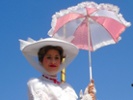 |
(Pixabay)
|
Middle-grades
educators should consider teaching a book unit on "Mary Poppins" to
engage students, according to Rose Reissman, founder of the Writing
Institute, and Amanda Xavier, a teacher in New York state. In this
commentary, they share how they used activities associated with the
movies and books, including conducting a pre-assessment to test
students' knowledge about the character and asking students to predict
what might happen in a sequel or prequel.
MiddleWeb
(7/31)
Dr. Rose Reissman is the founder ofthe Writing
Institute, now replicated in 200 schools including PS 205 in The Bronx, New
York City. She is a featured author in New York State Union Teachers
Educators Voice 2016 and was filmed discussing ESL student leadership literary
strategies developed at Ditmas IS 62, a Brooklyn public intermediate school.
Ditmas IS 62 is under the leadership of Marielena Santiago Principal and
Michelle Buitrago AP. The Writing Institute Team are: Michael Downes, Angelo
Carideo, and Amanda Xavier.Contact: roshchaya@gmail.com
*See Middle Web article that was inspired by this ...
https://literacyspecialinterest.blogspot.com/2019/11/how-mary-poppins-helped-our-middle.html


